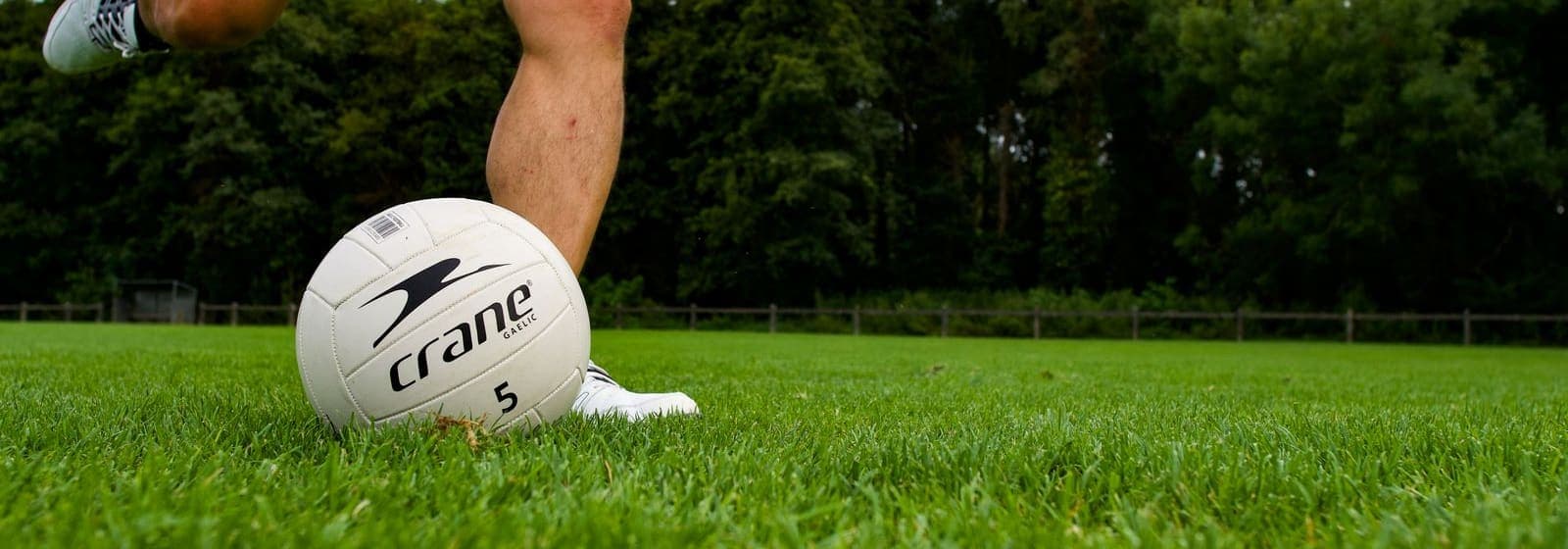
How To Play FootGolf: Rules, Scoring & Etiquette
Everything you need to walk onto a FootGolf course for the first time and play a confident, correct round, from tee to cup.
The core rules
- Start each hole with the ball inside the tee zone, the area behind the tee markers. It doesn't have to leave between the markers, but it must start inside the zone.
- Play the ball as it lies: you can't improve your position, stance, or line. A ball not found within three minutes is lost, and you can declare a ball unplayable and, with a penalty, drop it or return to where you last kicked.
- You can have the flagstick removed before you kick, but nobody may hold or attend it while you do. Put it back in the hole before you leave the green.
- The hole ends the moment the ball drops into the cup. Record your total number of kicks for that hole.
- The course or tournament sets the groups, commonly up to four players. Groups play the holes in order, and a slower group lets faster ones play through.
- Cleats of any kind are not allowed under FIFG rules: turf shoes or indoor soccer shoes protect the greens the way golf spikes do.
New to the course? Our seven beginner tips cover the rules first-timers most often get wrong.
Watch: the official beginner tutorial
The American FootGolf League's tutorial, "New to FootGolf? Start here", covers the essential rules, techniques, and tips for first-timers.
How scoring works
FootGolf scoring is identical to golf. Every hole has a par: the number of kicks an experienced player is expected to need. Your score relative to par uses the same familiar language:
- Eagle: two under par
- Birdie: one under par
- Par: matching the hole's expected score
- Bogey: one over par
- Double bogey: two over par
Add up your score across all 18 holes to get your round total, exactly like a golf scorecard. Match play, penalties, and tie-breaks work differently: see our FootGolf scoring guide.
Kicking technique that actually helps
Strike with your laces for distance
For tee shots and long approaches, striking through the laces gives you the most power and the straightest ball flight, the FootGolf equivalent of a full swing.
Use the inside of your foot for touch
Around the green, a controlled push with the inside of your foot gives you far more accuracy than trying to blast it close: think of it as your putting stroke.
Practice both feet
You'll inevitably face a lie that favors your weaker foot. Players who can kick competently with either foot avoid awkward, low-percentage shots off tricky lies.
Read the wind before long kicks
A soccer ball is lighter and rounder than a golf ball, so wind affects it more over distance. Check the wind before committing to a long approach the same way a golfer checks it before a driver swing.
Know the course before you play
Bunkers, water, and out-of-bounds all count in FootGolf exactly as they do in golf. A quick look at the course layout (many clubs post a FootGolf-specific map) helps you avoid an easily avoidable penalty stroke.
Etiquette every beginner should know
- Stay behind players who are about to kick, and stay quiet during their approach.
- Repair any divots you take from the fairway.
- Keep pace: if your group falls behind, let faster players play through.
- Replace the flag carefully once your group has finished the hole.
- Follow any course-specific dress code, covered in full in our equipment guide.
Not sure what to wear or bring? Check our full equipment and dress code guide before you book a tee time.
Frequently asked questions
- What are the basic rules of FootGolf?
- Each hole starts with the ball inside the tee zone, players kick the ball from wherever it comes to rest, and the hole ends once the ball is kicked into the cup. Courses set the groups, commonly up to four players, and scoring follows standard golf par terminology.
- How do you keep score in FootGolf?
- Exactly like golf: count every kick it takes to get the ball into the hole, then compare that number to the hole's par. A round total is the sum of strokes across all 18 (or 9) holes relative to total par.
- Are cleats allowed in FootGolf?
- No. FIFG rules ban cleats of any kind, along with golf shoes, and most courses follow suit to protect the greens. Shoes designed for artificial turf or indoor soccer are the standard choice.
Now find a course to play
Sanctioned AFGL courses, casual public options, and how to check what's near you.